A Love For Learning
Welcome to the KIDZ GYM Blog
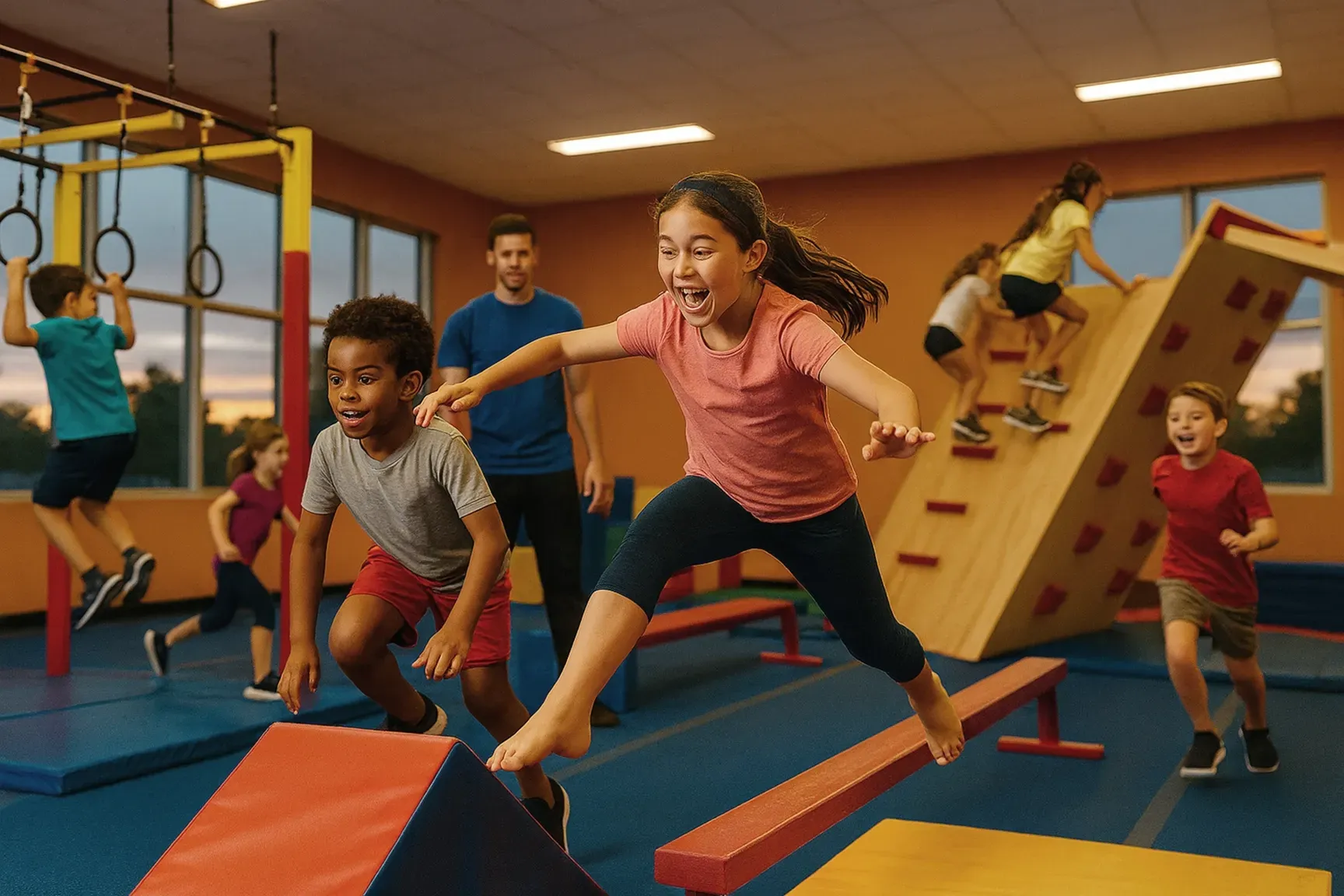
Ninja vs Gymnastics: Which Is Right for My Child? If you’re a parent deciding between ninja classes and gymnastics for your child, you’re not alone and you’re asking the right question. Both activities are excellent for kids. Both help build strength, coordination, and confidence. And both can be incredibly positive experiences when taught with intention. The real difference isn’t which activity is “better,” but how your child learns, moves, and builds confidence. Understanding that difference can make the decision feel much clearer! How Gymnastics Supports Child Development Gymnastics is often considered the foundation of movement, especially for young children. It focuses on teaching kids how to control their bodies through balance, strength, flexibility, and coordination. Skills are introduced gradually and practiced repeatedly, which helps children feel secure as they progress. For many kids, this repetition is comforting. They know what to expect, and each small improvement builds confidence over time. Gymnastics is especially helpful for children who are new to structured classes or who benefit from predictable routines. It teaches them how to move with intention and awareness, skills that support nearly every other sport or physical activity later on. What Makes Ninja Training Different Ninja training takes those same movement skills and applies them in a more dynamic, problem solving environment. Instead of repeating the same skill, kids are challenged to navigate obstacles, climb, swing, jump, and adapt as setups change. This approach often appeals to children who enjoy variety and creativity. Ninja training encourages kids to think through challenges, try different solutions, and learn that falling and trying again is part of the process. Ninja classes build real strength, coordination, and resilience, both physical and mental. Structure vs Variety and Why Both Matter One common misconception is that gymnastics is highly structured while ninja training is chaotic or unstructured. In quality programs, that’s simply not true. Gymnastics uses structure through repetition and skill progressions. Ninja training uses structure through thoughtfully designed challenges that evolve over time. In both cases, children benefit when classes are organized, age appropriate, and led by coaches who actively teach and guide movement. What matters most isn’t the activity itself, but whether the program prioritizes safety, development, and confidence over pressure or comparison. How Confidence Is Built in Each Program Confidence can look very different from one child to another, and this is often where parents see the biggest distinction. In gymnastics, confidence tends to grow through mastery. Children repeat a skill, improve over time, and feel proud when they finally achieve something that once felt hard. The predictability of progress helps many kids feel capable and in control. In ninja training, confidence often grows through exploration. Kids learn that they can try something new, adjust when it doesn’t work, and succeed through effort and problem solving. For children who thrive on challenge and discovery, this can be incredibly empowering. Neither approach is better. They simply support confidence in different ways. What About Safety? Safety is one of the most common concerns parents have, especially when comparing gymnastics and ninja training. The reality is that both activities can be very safe when they are taught properly. In strong programs, skills are introduced gradually, equipment is scaled for a child’s age and ability, and coaches are actively involved throughout class. The quality of coaching and structure matters far more than whether a child is doing gymnastics or ninja training. Can Kids Do Both? Absolutely. In fact, many kids thrive when they experience both at different stages. Gymnastics helps build body control and awareness, while ninja training allows kids to apply those skills in creative and dynamic ways. Some children start in gymnastics and transition into ninja as they grow more confident. Others begin with ninja and later enjoy the structure of gymnastics. Many benefit from both at different points in their development! How to Decide What’s Right for Your Child Instead of focusing on which activity is “better,” it can help to think about your child’s personality and preferences. Some children love repetition and routine, while others are energized by variety and challenge. Some feel confident knowing exactly what to expect, while others thrive when they’re encouraged to explore and problem solve. The best choice is the one that makes your child feel successful, supported, and excited to come back! Final Thoughts Ninja training and gymnastics aren’t competing paths. They’re two different and equally valuable ways to help kids grow strong, confident, and capable. The right program meets your child where they are, builds confidence intentionally, and makes movement meaningful and fun. When kids feel encouraged rather than pressured, real growth happens. If you’re choosing between ninja and gymnastics, look for a program that values progress over perfection and confidence over competition, because that’s where children thrive. Learn more about our programs at kidzgym.com/classes.
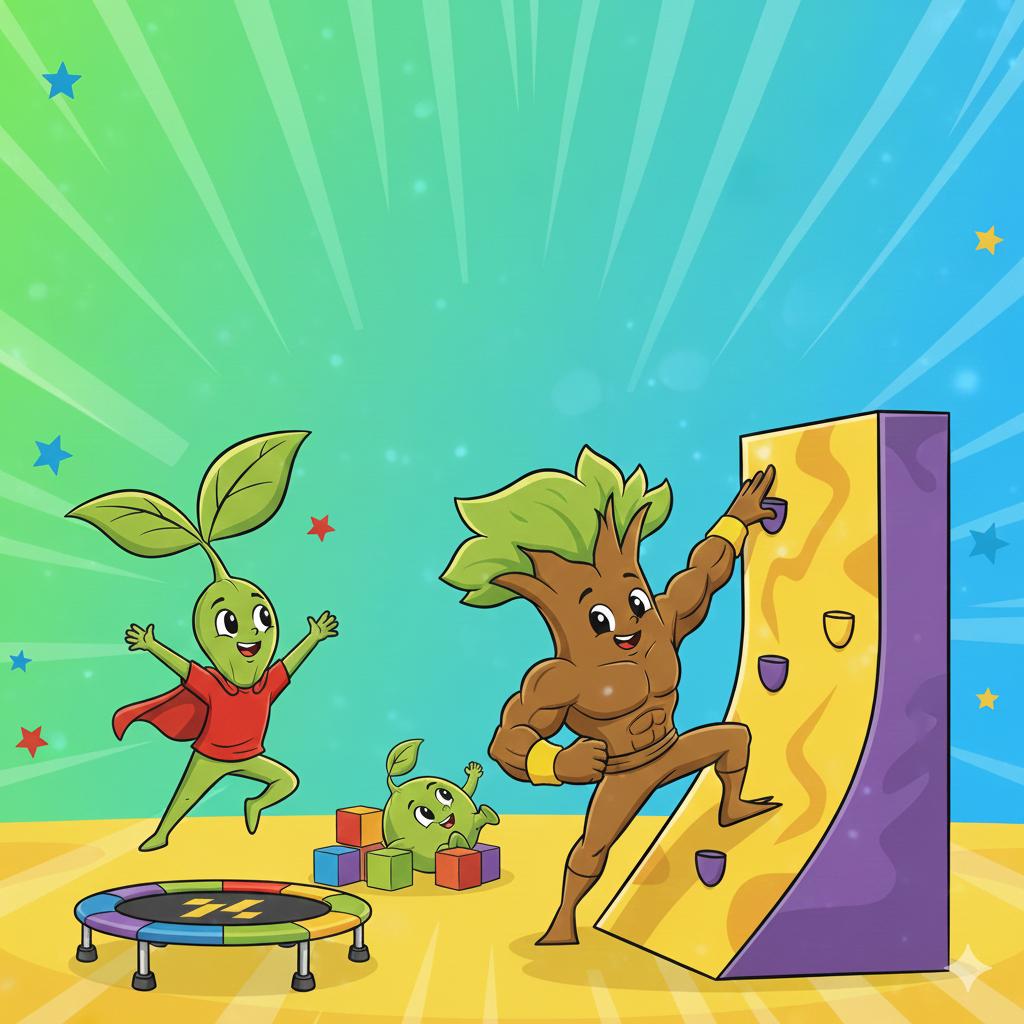
When most parents hear “ninja classes,” they picture obstacle courses, climbing walls, and kids racing through challenges at full speed. And while ninja training does look exciting, what many parents don’t realize is that ninja classes are one of the most well-rounded developmental activities for kids! At KIDZ GYM, we see ninja training as more than an activity. It’s a powerful tool for building strength, confidence, focus, and resilience in kids of all personalities - not just the most energetic ones. What Is Ninja Training for Kids, Really? At its core, ninja training is a movement-based program that blends: Strength Balance Coordination Agility Problem-solving Unlike traditional sports that focus on one skill set, ninja training challenges kids to move their bodies in multiple ways, often within a single class. But the real magic happens when ninja training is structured, not chaotic. Ninja Is About Problem-Solving, Not Just Physical Ability One of the most overlooked benefits of ninja training is how much it engages a child’s brain. Every obstacle presents a question: How do I get from here to there? Where should my hands go? Do I swing first or step first? What happens if I fall — and try again? Kids are constantly thinking, adjusting, and learning through movement. This is especially powerful for children who: Learn best by doing Struggle with sitting still Thrive on challenges Need confidence-building opportunities Ninja training turns movement into a learning experience. Why Ninja Training Builds Confidence Faster Than Many Sports Confidence doesn’t come from being the best. It comes from trying, failing, and trying again. Ninja classes naturally encourage this process. Each successful attempt builds self-belief. Each fall teaches resilience. Over time, kids learn that effort matters more than perfection. Ninja Training Supports Whole-Body Development: From a physical standpoint, ninja training develops skills kids need for any activity. These include: Grip strength Core stability Upper and lower body coordination Safe jumping and landing mechanics Body awareness These skills transfer directly to: Gymnastics Sports Playground confidence Everyday movement That’s why ninja training is often recommended as a foundational activity, not a replacement for other sports. It’s Not Just for “Wild” Kids: One of the biggest misconceptions about ninja classes is that they’re only for extremely high-energy kids. In reality, ninja training benefits: Shy kids who need confidence Thoughtful kids who enjoy problem-solving Kids who don’t love traditional sports Kids building strength and coordination Kids who thrive with structure and variety When classes are taught with intention, ninja training meets kids where they are both physically and emotionally. The Importance of Structure in Ninja Classes This is where programs differ. High-quality ninja classes include: Clear instruction Age-appropriate progressions Skill-based stations Active coaching and feedback A consistent class flow Structure creates safety, confidence, and measurable progress. At KIDZ GYM, ninja classes are curriculum-based, meaning every obstacle and challenge serves a purpose and builds toward something greater over time. Why Parents in Lakewood Ranch Are Choosing Ninja Training Families in Lakewood Ranch value programs that: Build confidence Encourage healthy movement Support emotional growth Provide positive role models Ninja training checks all of these boxes when it’s taught with care and intention. It’s active without being overwhelming. Challenging without being discouraging. And fun without sacrificing growth. What Parents Should Look For in a Ninja Program: Before enrolling, parents should ask: Are classes grouped by age and ability? Are coaches actively teaching skills? Is safety prioritized? Is there a clear progression over time? Does the program focus on confidence and growth? The best ninja programs don’t just entertain kids. They develop them. Ninja training is more than climbing and obstacles. It’s a thoughtfully designed movement experience that helps kids grow stronger, more confident, and more resilient. When taught with structure, purpose, and heart, ninja classes become one of the most impactful activities a child can participate in. If you’re exploring ninja programs for your child, look for one that values progress over pressure and confidence over competition. 👉 To learn more about ninja classes and our approach at KIDZ GYM, visit kidzgym.com.
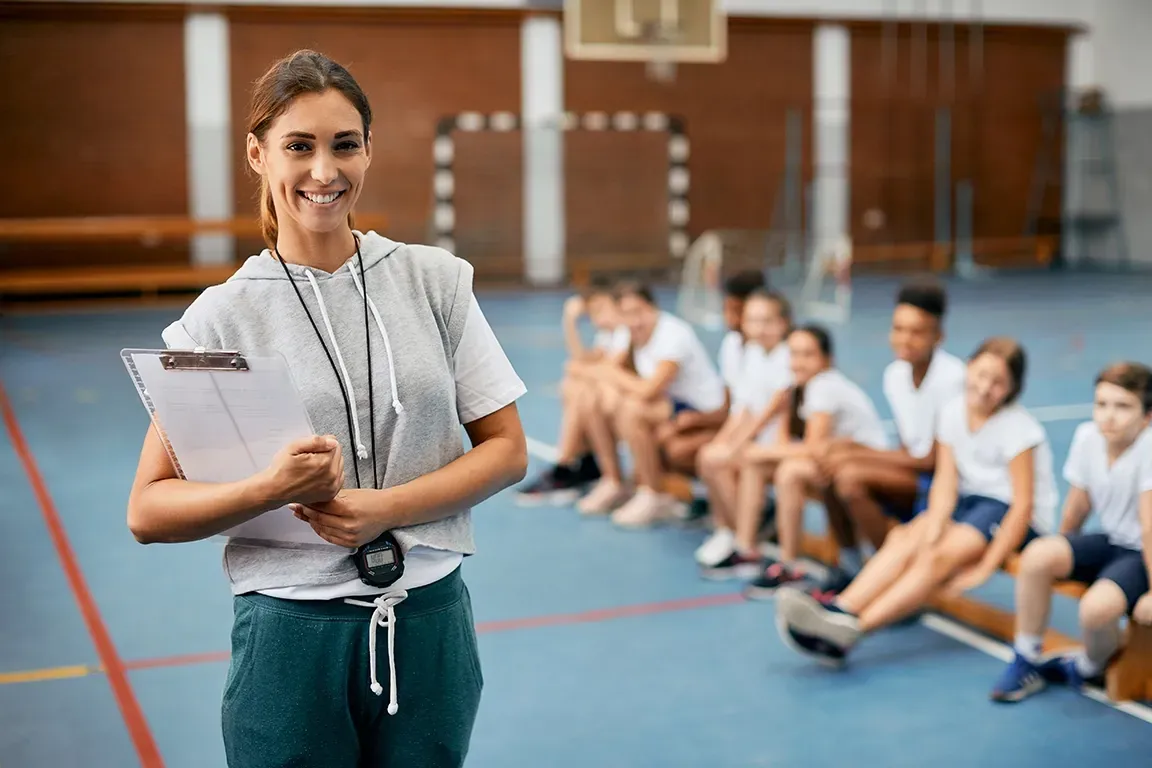
Sarasota's Best First Job | Job for Teenagers | Coaching Kids in Lakewood Ranch | Why Coaching Kids is the Best First Job
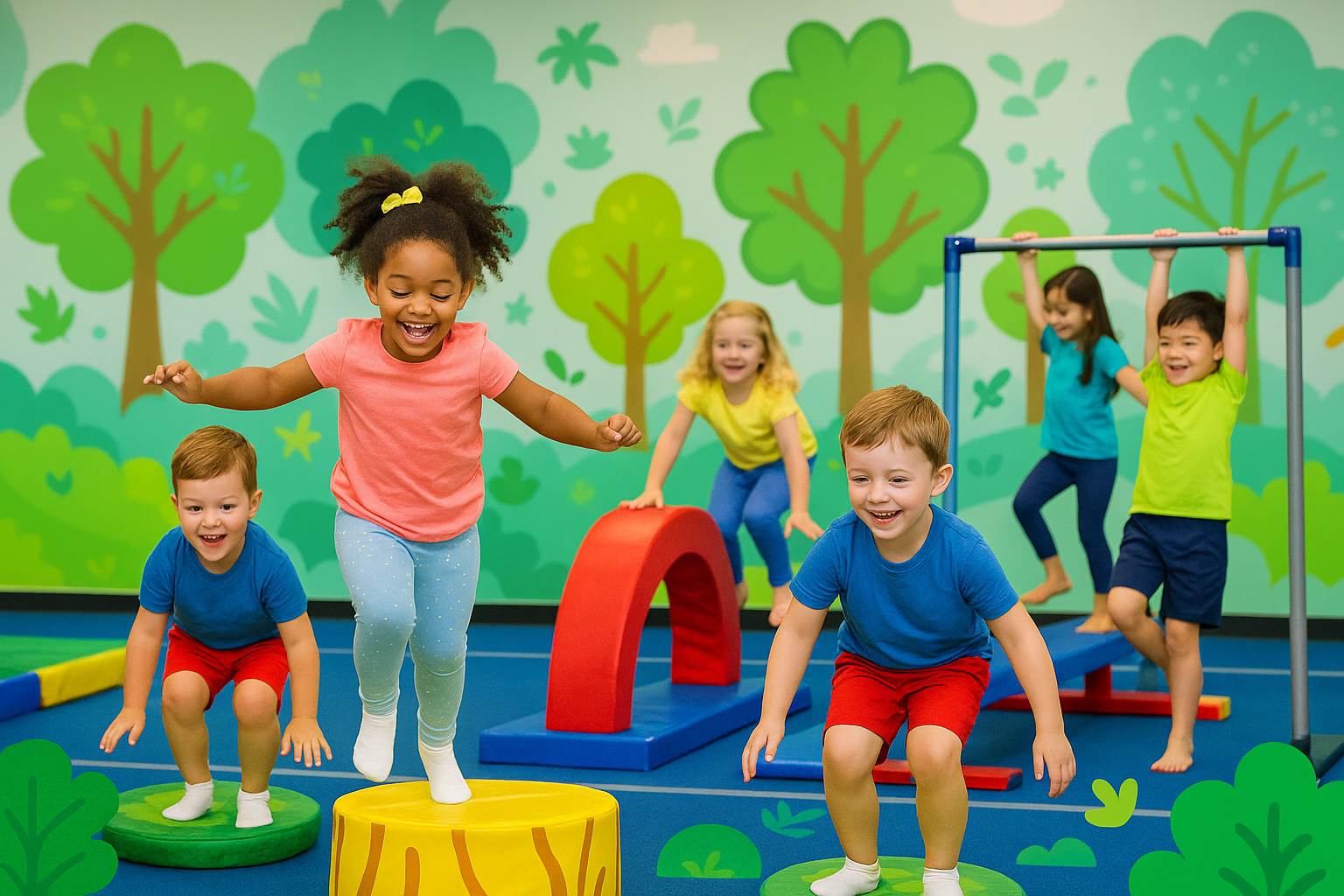
The Top 5 Benefits of Gymnastics for Kids
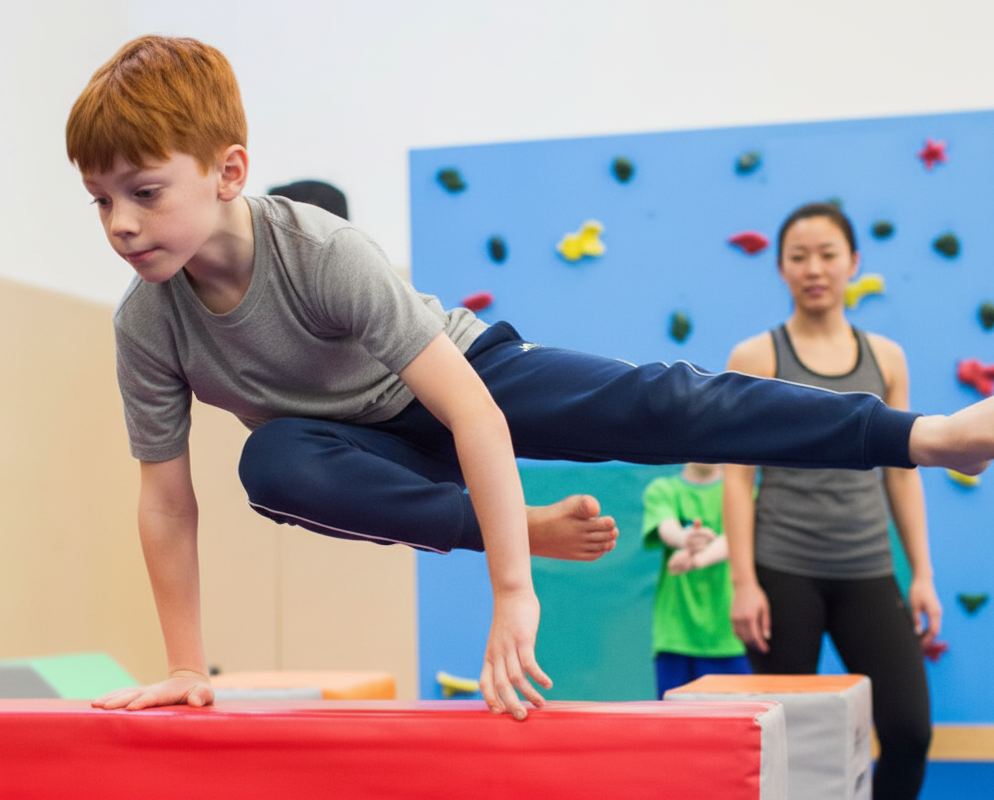
Fitness for Kids in Sarasota & Lakewood Ranch: A Parent’s Guide to Movement, Confidence, and Early Development